



Counterfeiting in the Pokémon hobby has outgrown fuzzy single cards. A fake sealed box can now mimic the wrap pattern, the pack artwork and even the weight. Whether you are after one card or a carton of boxes, the checks below help separate genuine product from fakes and resealed boxes before you hand over money.
Why the problem got bigger
As soon as sealed product became a collectible category, forgers followed the money. A convincing fake box can fetch far more than a fake single, so they aim at out-of-print English booster boxes, valuable promos and nostalgia-set product. If you buy in volume, knowing how to authenticate is part of the job.
Sealed booster boxes: four inspections
1. The wrap
- Genuine English product normally has thin, snug film with tidy machine-made folds at the ends.
- Be wary of loose, thick or unusually glossy film, untidy overlapping folds, bubbles in the corners and small dimples left by a heat gun.
- Japanese boxes are typically sealed differently from English ones. If a Japanese box shows up wrapped like an English one, ask questions and compare against a verified example.
2. The seams and glue
Factory boxes have crisp tabs and neat adhesive. Lifted flaps, glue smears beyond the seam or signs of being opened and glued again suggest a reseal, in which a real box is refilled with worthless packs.
3. The weight
Boxes from the same set should weigh about the same. A kitchen scale will expose packs that were swapped, searched or removed. Ask the seller for the weight before dispatch, because an honest supplier will not mind checking.
4. The carton
For a case, the outer carton should show set names, barcodes and lot information that match the boxes inside. Even then, a good carton never replaces inspecting each box.
Single cards: four tests
Light
Genuine cards block light thanks to a dark layer inside the stock. Hold one against a bright flashlight. If light spreads evenly through it, be suspicious and compare with a card you know is real.
Magnified print
A phone macro lens is handy. Authentic printing shows a fine rosette dot pattern and crisp text, while counterfeits often have fuzzy letters, washed-out colors, wrong font weights or a jagged energy symbol.
Texture and foil
Modern ultra rares have raised texture that follows the artwork. A card that is flat and evenly shiny is a bad sign, and foil that looks like a mirror or flashes rainbow colors in an unfamiliar way deserves a second look.
Feel and size
Real cards flex with a firm spring and glide against one another. Fakes can feel limp or stiff and are sometimes slightly off in size. A standard card measures 63 by 88 mm, so compare with a known genuine one.
Warning signs in online listings
- A price far under the market. Check recent sold listings, since genuine sealed product is rarely offered at a steep discount.
- Stock photos only. Request pictures of the exact item, ideally with a dated note beside it.
- Vague sourcing answers. If a seller will not say where stock comes from, think twice.
- No paper trail. A reliable seller records orders and ships with tracking. You can follow ours on the order tracking page.
When something looks wrong
- Stop opening anything. Intact evidence beats torn packaging.
- Photograph the wrap, the seams and the fronts and backs of cards in good light.
- Compare against product you know is genuine, or ask experienced collectors in hobby communities for a second opinion.
- Contact your payment provider quickly, because dispute windows are limited.
Picking a seller
The safest habit is to buy from sellers who are open about their process and easy to reach. TCG Viber carries English and Japanese product across Pokémon, One Piece, Yu-Gi-Oh! and Weiss Schwarz, and you can ask about a specific item through the contact page or at info@tcgviber.com. If you are building up stock, our wholesale guide says more about vetting suppliers.
Quick answers
Do fake Japanese boxes exist?
They are reported less often than English fakes, but reseals do occur. Check the seal, the print quality of the box and the seller’s reputation.
Can a graded slab be fake?
Yes. Look up the certification number on the grading company’s site, and compare the label and hologram with current designs.
Does a weight check settle it?
No single test does. Combine wrap, seams, weight and seller history; a box that passes all four is far less likely to be fake.
General information only, not financial advice. Prices for sealed product can go up as well as down.
This site stores small files called cookies to smooth your visit. Using the site further indicates agreement with our policy on them.
I AcceptYour Cart
Add $500.00 more to get free shipping!
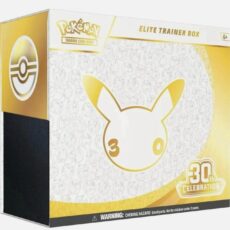
Pokemon 30th Anniversary Celebration ETB Sealed Boxes
Original price was: $175.00.$165.00Current price is: $165.00.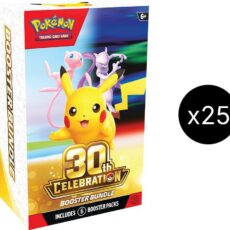
30th Celebration Booster Bundle box
Original price was: $130.00.$110.00Current price is: $110.00.30th Celebration Booster Bundle Case
Original price was: $2,890.00.$2,750.00Current price is: $2,750.00.Pokemon 30th Anniversary Celebration ETB Sealed Case 10 Boxes NEW
Original price was: $1,750.00.$1,650.00Current price is: $1,650.00.All Categories
Search
Pokemon 30th Anniversary Celebration ETB Sealed Boxes
Original price was: $175.00.$165.00Current price is: $165.00.30th Celebration Booster Bundle box
Original price was: $130.00.$110.00Current price is: $110.00.30th Celebration Booster Bundle Case
Original price was: $2,890.00.$2,750.00Current price is: $2,750.00.