


Selling Pokémon cards can start with an old binder or grow into a side business, and either way the venue you pick decides how much of each sale ends up in your pocket. Three platforms dominate the conversation: eBay, TCGplayer and Whatnot. Rather than posting every item everywhere, it works better to ask which place suits each kind of product.
Start with the product, then pick the platform
Here is a quick routing table before we get into the details.
- Booster boxes and cases: eBay, or a local hand-off for bulky items so no fees apply.
- Singles pulled from your own packs: TCGplayer.
- Fresh, talked-about releases and Japanese-language items: a live show on Whatnot.
- Vintage cards and top-grade slabs: eBay auctions backed by sharp photos.
What each platform is like
- eBay casts the widest net. Shoppers come from all walks of life, and it does especially well with sealed boxes, graded slabs and older cards.
- TCGplayer is a trading-card marketplace organized around a product catalog. Nearly everyone browsing is a player or collector who knows the exact card they want.
- Whatnot runs on live video. You schedule a stream, viewers bid as it happens, and personality counts for a lot.
Time investment varies as well. An eBay listing means a few minutes of photos and a description. TCGplayer needs little work per card but plenty of organization once inventory builds up. On Whatnot you have to show up and keep people engaged for a block of an hour or two.
eBay for sealed and graded items
If you are moving booster boxes, Elite Trainer Boxes, cases or graded cards, eBay offers the biggest audience. Its record of finished sales doubles as a rough price guide, so base your price on what comparable items really sold for instead of what sellers hope to get.
- Take photos of the actual item, including the wrap, the corners and the back of the box.
- Be upfront about condition. Mention dents and wrap tears before the buyer notices them.
- Save auctions for scarce items; a fixed price that allows offers fits most stock.
- Calculate fees and postage before buying inventory, not after your first sale.
TCGplayer for singles in quantity
Opening product and selling the cards one by one? This is the natural place. You attach each listing to an existing catalog entry, price it near the current market level, and rely on steady volume. Honest condition grading and fast dispatch protect your seller score, which helps people find you.
The catch is admin. Once you hold a few hundred listings, you need a method for finding cards, adjusting prices and packing orders, or small errors start piling up.
Whatnot for selling as a show
Sealed product is great live content because viewers like watching a pack or box get opened. Many hosts run “rip and ship” streams: a buyer claims an item, the host opens it on camera, and the pulls are shipped out afterward. Others auction singles one at a time. Bidding excitement can push a popular item above what a plain listing would fetch.
It asks the most of you, though. Viewers return when streams happen on a predictable schedule and parcels leave quickly. Japanese boxes and unusual products keep eyes on the screen since few local shops stock them.
What keeps a seller going past the first few flips
You earn your margin at purchase time
Profit is mostly set the day you pay for stock. Buying cases or several units at once lowers the cost per item, and that gap often decides whether a sale is worth the effort. We walk through the idea of landed cost in our article on wholesale booster box buying.
Photograph every delivery
Shoot pictures when a shipment arrives. They back you up in a dispute and can be reused as listing photos. While the stock waits for a buyer, keep it in good shape with the tips in our sealed product storage guide.
Pack for a collector
Double-box sealed items, protect singles with sleeves and top-loaders, and always add tracking. Positive feedback builds over time and outweighs the few cents saved on cheaper postage.
Track the numbers
Write down what each item cost, the fees, the postage and your final take-home. A weekly look at those figures reveals weak products early, so you can stop buying them.
Where the stock comes from
All three platforms depend on a reliable supply. TCG Viber ships factory-sealed Pokémon, One Piece, Yu-Gi-Oh! and Weiss Schwarz product from Tokyo. Add five or more of the same item and the cart automatically takes 20% off every unit (sealed cases are not included). No account is needed, there is no minimum order, and parcels travel worldwide with tracking. Start with the booster box range or look through the whole shop.
Common questions
Must I register a business before selling?
Individuals can sell on all three. When it turns into regular income, look up the tax rules where you live, since they vary by country.
Which site takes the smallest cut?
Fee tables change and depend on category and seller level, so read the current terms. The headline rate matters less than what you would actually keep from a real sale of your own product.
Is rip and ship a business or a gamble?
Mostly it is entertainment. When what a buyer pays for the pack covers your cost of the box, you profit from the show regardless of the pulls. That puts your purchase price at the center of everything.
General information only, not financial advice. Prices for sealed product can go up as well as down.
This site stores small files called cookies to smooth your visit. Using the site further indicates agreement with our policy on them.
I AcceptYour Cart
Add $500.00 more to get free shipping!
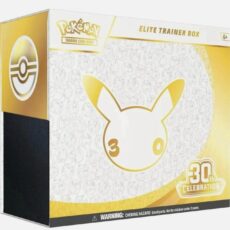
Pokemon 30th Anniversary Celebration ETB Sealed Boxes
Original price was: $175.00.$165.00Current price is: $165.00.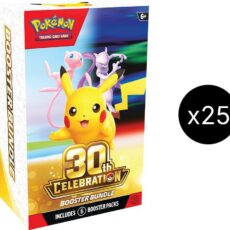
30th Celebration Booster Bundle box
Original price was: $130.00.$110.00Current price is: $110.00.30th Celebration Booster Bundle Case
Original price was: $2,890.00.$2,750.00Current price is: $2,750.00.Pokemon 30th Anniversary Celebration ETB Sealed Case 10 Boxes NEW
Original price was: $1,750.00.$1,650.00Current price is: $1,650.00.All Categories
Search
Pokemon 30th Anniversary Celebration ETB Sealed Boxes
Original price was: $175.00.$165.00Current price is: $165.00.30th Celebration Booster Bundle box
Original price was: $130.00.$110.00Current price is: $110.00.30th Celebration Booster Bundle Case
Original price was: $2,890.00.$2,750.00Current price is: $2,750.00.
Total 1 Comment
[…] sales, lets your showcase work in two places at once. We compare the main options in our article on selling Pokémon cards online. Keep the cabinet and your online listings in step so the same item is never sold […]