


Trading cards are enjoying a strong run, and many fans picture turning their hobby into a storefront. Rent and fixtures count, but what usually decides survival is supply: can you consistently get what customers ask for at a cost that leaves profit? This guide stays on the inventory side, covering what to carry, where to buy it and which numbers to monitor.
Three layers of stock
Strong shops balance three types of inventory, and each has its own role.
Everyday sealed product
Booster boxes, Elite Trainer Boxes, packs and starter products from recent sets are the items walk-ins buy every week. Margins per piece are slim, so what you want is steady turnover.
Singles and slabs
You get singles by opening sealed product or buying customers’ collections. They usually carry the best margins but need time to sort, price and display. Graded slabs live here too, and before pricing them you should understand how PSA, BGS and CGC compare.
Showpieces for the long term
Older sealed boxes, unopened cases and imports belong in the glass cabinet. They pull collectors through the door, and unlike a pack they do not need to sell this week.
Sources for sealed stock
- Official distributors. They supply new releases, but new accounts commonly meet minimums, waitlists and capped quantities on popular items, so a brand-new shop struggles to buy enough of what sells.
- Wholesale suppliers. They offer current and older sealed product in volume and fill gaps when distribution runs short. Our wholesale booster box guide explains how to compare prices and verify what arrives.
- Japanese product. Many nearby competitors skip Japanese boxes, so carrying them sets you apart and draws a different crowd.
- Customer collections. Buying cards over the counter fills your singles case at a low cost basis. Budget cash for it from day one.
Four figures to watch
- Cost per unit. Every cent off your buying price drops straight into profit, which is why quantity discounts count.
- Turnover compared with margin. Retail sealed product has thin margins, so profit comes from volume and add-ons such as sleeves, binders and deck boxes.
- Launch-week excitement. A new set’s price is often highest early and may soften as supply improves. Go deep only on products with a record of lasting demand, and see our look at the best Pokémon sets to invest in for what that looks like.
- Cash stuck in slow movers. Review whatever has sat for months and decide whether to discount, bundle or list it online.
Spread across more than one game
Pokémon is often the top earner, yet other games bring in other communities. One Piece, Yu-Gi-Oh! and Weiss Schwarz each have loyal players who spend regularly, and a mixed range cushions you if one game cools off.
Turn visitors into regulars
Weekly play nights and small tournaments convert occasional visitors into a community and help move slower singles. Prizes cost you product at wholesale while customers spend at retail, so events rank among the cheapest marketing a shop can run.
Use online sales from the start
The local market for a pricey item is small, but online it is huge. Listing premium stock on marketplaces or running live sales lets the showcase work in two places. Our article on selling Pokémon cards online compares the main routes. Keep the cabinet and online listings in sync so nothing sells twice.
What a first order might look like
A restrained opening order could hold a few cases or several boxes of current English releases, a batch of ETBs, a selection of Japanese boxes and one or two showpieces. After that, let monthly sales guide your reorders. TCG Viber supplies English and Japanese factory-sealed product from Tokyo, ships worldwide with tracking and has no minimum order. Five or more of the same item takes 20% off each unit in the cart, apart from sealed cases, and the wholesale tag lists every qualifying item.
Quick answers
How much inventory should I start with?
Often less than newcomers assume. A focused wall of sealed product and a lively singles case outperform a broad range of slow items.
Is stocking graded cards wise for a new shop?
Once cash flow permits, yes. Slabs make the display case more credible, but learn how the grading companies differ before you start buying them.
One big purchase or frequent small ones?
Small regular orders keep cash flexible, while larger ones lower the unit price. Most new shops begin modestly, see what sells and scale up step by step.
General information only, not financial advice. Prices for sealed product can go up as well as down.
This site stores small files called cookies to smooth your visit. Using the site further indicates agreement with our policy on them.
I AcceptYour Cart
Add $500.00 more to get free shipping!
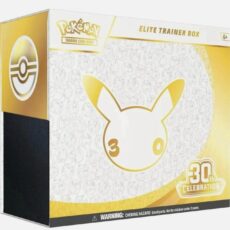
Pokemon 30th Anniversary Celebration ETB Sealed Boxes
Original price was: $175.00.$165.00Current price is: $165.00.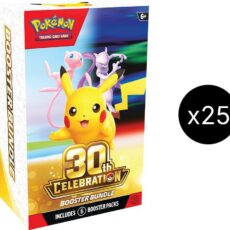
30th Celebration Booster Bundle box
Original price was: $130.00.$110.00Current price is: $110.00.30th Celebration Booster Bundle Case
Original price was: $2,890.00.$2,750.00Current price is: $2,750.00.Pokemon 30th Anniversary Celebration ETB Sealed Case 10 Boxes NEW
Original price was: $1,750.00.$1,650.00Current price is: $1,650.00.All Categories
Search
Pokemon 30th Anniversary Celebration ETB Sealed Boxes
Original price was: $175.00.$165.00Current price is: $165.00.30th Celebration Booster Bundle box
Original price was: $130.00.$110.00Current price is: $110.00.30th Celebration Booster Bundle Case
Original price was: $2,890.00.$2,750.00Current price is: $2,750.00.